
Before a strategy session
First see how you really communicate — then talk about plans.
Private team quest
Two teams. Each holds half the truth. 45 minutes to agree on a solution. Then a debrief that reveals how your people actually share information.
01 — Why
Sales is sure it explained everything. Production is sure it understood. The misunderstanding surfaces a month later — when fixing it is already costly.
This doesn’t happen when things are calm. It happens when deadlines are tight. A typical team-building event won’t reveal it. You have fun and leave with photos. Qara Qızıl leaves you with facts.
02 — How it works
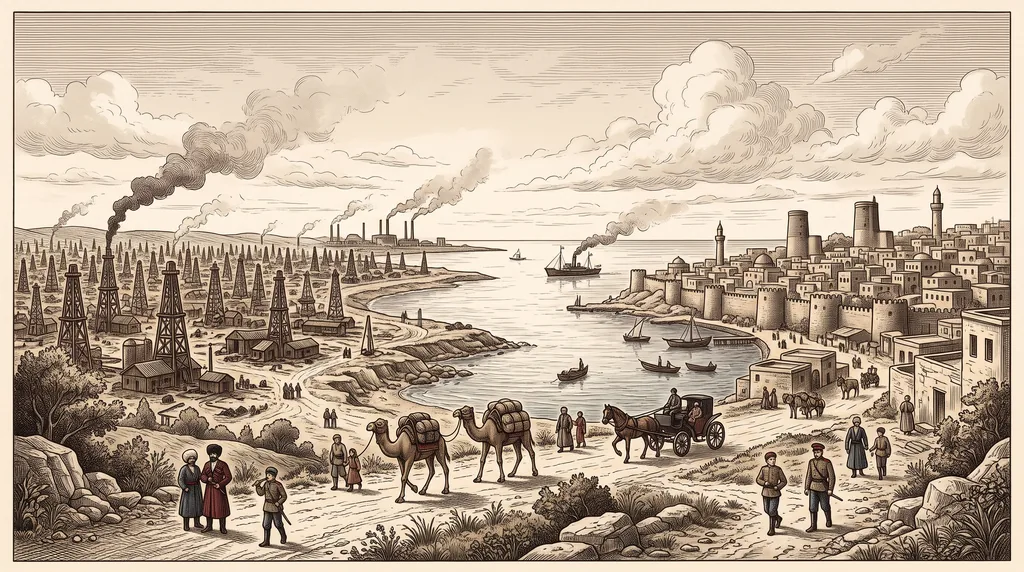
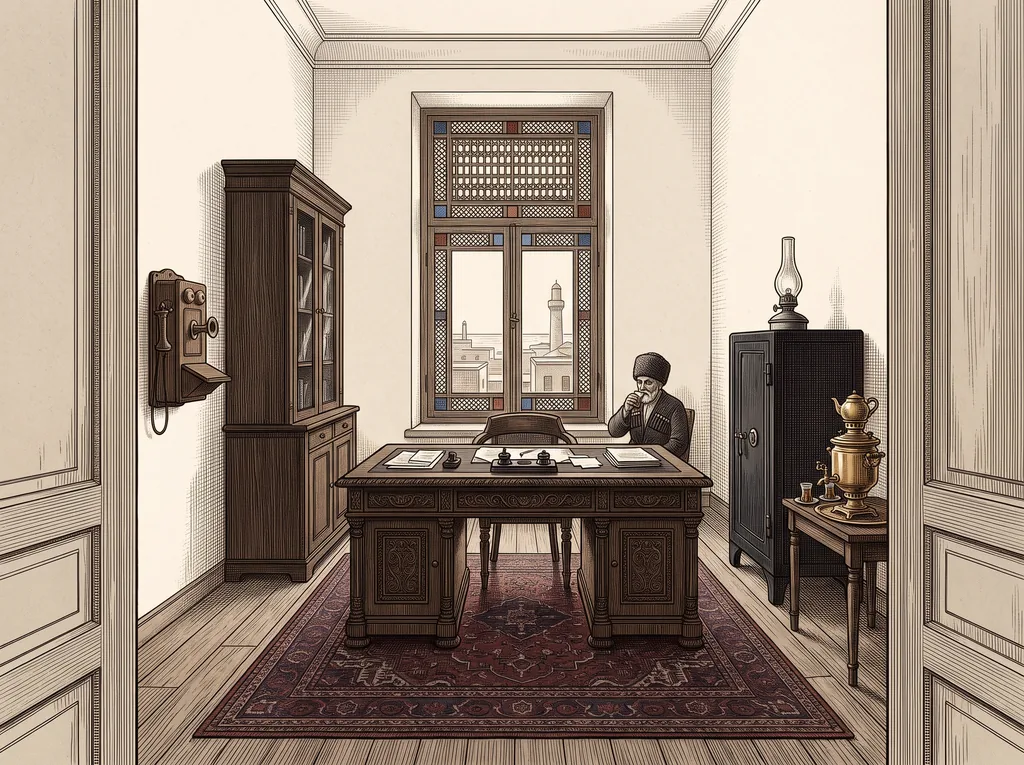
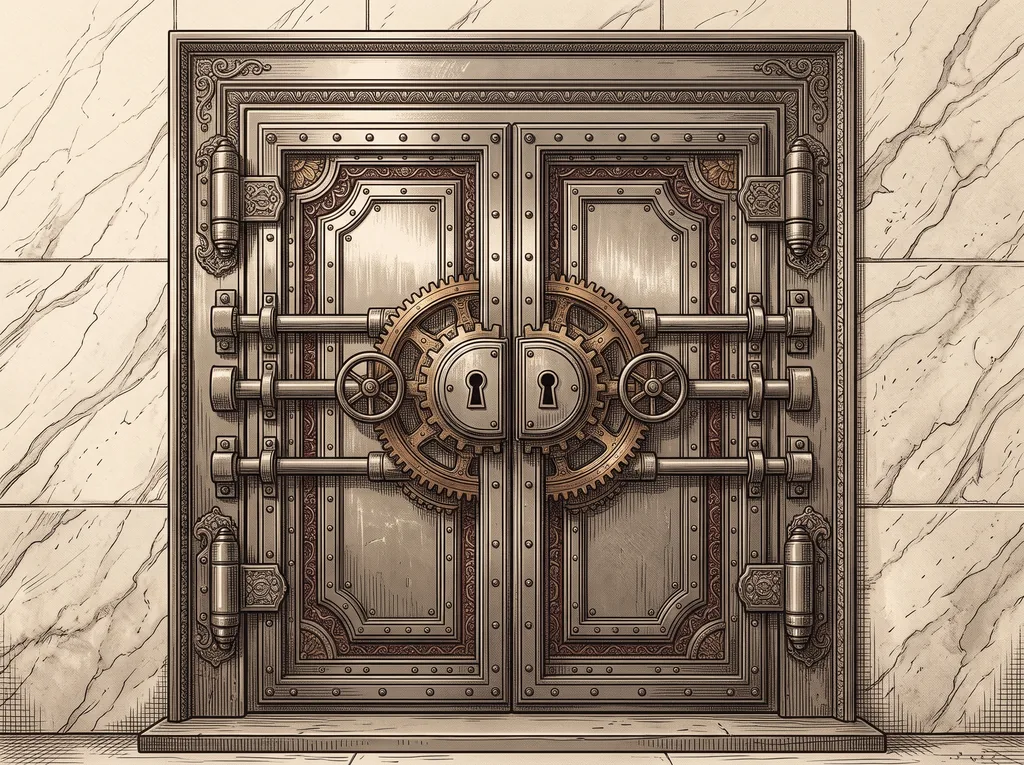
The chief engineer of an oil company has vanished. He split his formula in two: one half at the city office, the other at the Balakhany oil field. Tonight, a rival company’s steamer leaves port. If the formula isn’t in the bank vault when the whistle blows, the rivals will take it.
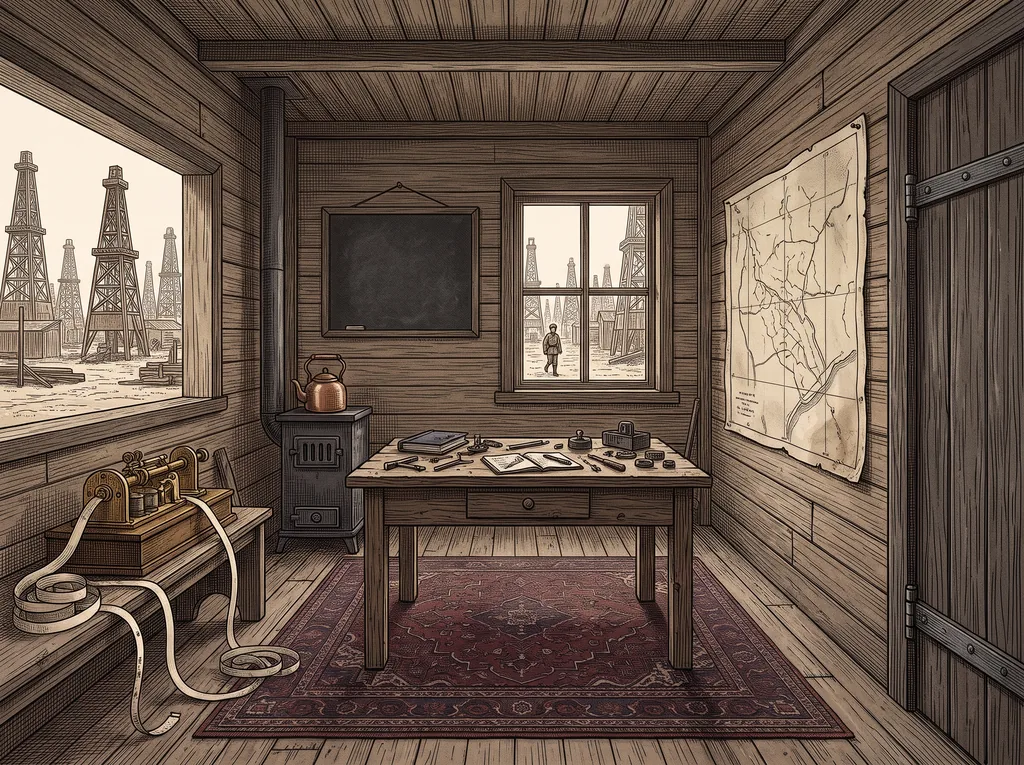
The group splits into two teams: Kontor and Mədən. Each has its own tablet and its own world. One has documents and accounts; the other has gauges, machinery and a map. Neither team can see the other’s screen. They can only communicate by voice.
No task can be solved alone. That’s a rule of the game — and, in many ways, of business too.
03 — What it builds
During the game, the trainer sees what often goes unnoticed at work: how the team reaches decisions, where communication breaks down and how people respond to mistakes.
04 — Debrief
Immediately after the game, a CAC trainer leads a 45–90-minute debrief. Not based on impressions, but on recorded game data: task completion times, mistakes and courier departures. Plus the trainer’s observations: “interrupting each other”, “silent for over a minute”, “found a way to organise the work”.
Facts. The group sees its own timeline and compares the two teams’ accounts.
Patterns. What kept repeating from the first task to the finale.
Transfer. Where does the same trap appear in your workplace? Each participant makes one specific commitment, with a deadline.
After the session, the client receives a concise summary: key observations, two or three recurring patterns and the group’s commitments. The focus is on how the team works, not on judging individuals. The game produces no individual rankings or scores.
05 — Trust
At the client’s request, each team receives a private telegram halfway through the game: “There’s a traitor on the other team. Tell them nothing.” The message is false — but neither team knows it.
Will they verify the source? Who will be first to break the silence and share information? Each team holds half the final code. Silence won’t bring the pieces together. For leaders, this is often the most revealing part of the debrief.
06 — Format
In a single room, the teams sit at opposite ends. They can hear each other but can’t see each other’s screens. The facilitator provides hints during the game.
07 — Closed access
You can’t buy the quest or find it online. CAC launches each session individually, with access available only during the event.
Codes, words, gauge readings and the route are generated anew for every session. Even if one group shares its answers with the next, they won’t help.
Answers aren’t stored on the tablets — they’re checked on the server. If a tablet restarts, the team picks up exactly where it left off.
08 — When to use it
First see how you really communicate — then talk about plans.
See how each person handles information, then agree on shared rules straight away.
Put sales and production staff on separate teams — the game will mirror how your departments interact.
An evening that ends with clear commitments and deadlines — not just photos.
Request
Book it as a standalone 2–2.5-hour event or as part of CAC’s Communication, Leadership or Change Management programmes. Pricing is available on request. Tell us about your objectives and your team, and we’ll recommend the right format.
New Year offer: special price for the first 5 companies, until January 10
The characters, companies and events are fictional. Baku, Balakhany and the historical setting are real.